Welcome to the world of Errors and Omissions Insurance in Washington State, where safeguarding your professional reputation and financial future takes center stage. Imagine a safety net specifically designed to protect businesses and professionals like you from the unexpected pitfalls of human error and oversight. This insurance is not just a policy; it’s peace of mind.
In this guide, we’ll unravel the intricacies of Errors and Omissions Insurance, tailored for those residing in Washington State. Whether you’re in real estate, consulting, or any other professional field, we’ve got you covered. Let’s dive in and explore why this coverage is a must-have for your professional toolkit, and how it can shield you from the unseen risks of your industry.
Understanding Errors and Omissions Insurance in Washington State
Did you know that 36% of small businesses have faced a lawsuit at least once? That’s where errors and omissions (E&O) insurance comes in to save the day.
E&O insurance provides protection against claims of negligence or inadequate work. For professionals like real estate agents or consultants, this coverage isn’t just a nice-to-have—it’s a must-have. But in Washington State, there are specific regulations you need to be aware of.
Washington State Specific Regulations for E&O Insurance
Here’s the deal: Washington has unique compliance requirements for E&O insurance. For example, real estate professionals must carry E&O insurance to maintain their licenses. The state mandates minimum coverage levels to ensure adequate protection against potential claims.
It’s essential to check with the Washington State Office of the Insurance Commissioner to stay updated on the latest rules. Ignoring these regulations could cost you both financially and professionally.
Industries Commonly Requiring E&O Insurance
Many industries in Washington State require E&O insurance. Real estate, technology, and finance are at the top of the list. If you’re in any of these fields, you need this safety net.
Pro Tip: Even if it’s not required, consider E&O insurance if your work involves offering specialized advice or services. It could be your best line of defense against unexpected claims.
Importance of Errors and Omissions Insurance for Professionals
Did you know that 1 in 8 businesses face legal threats every year? As a professional in Washington State, you’re not immune. This is why errors and omissions insurance (E&O) is a must-have.
Errors and omissions insurance acts as a safety net. It protects you from claims that your professional advice or services caused a client to suffer a financial loss. Without it, you could be paying out-of-pocket for legal defense and settlements.
Why You Need Errors and Omissions Insurance
Imagine this: A real estate agent in Seattle advises a client on a property investment. Days later, the client discovers a major zoning issue. Suddenly, the agent is facing a lawsuit for negligence. This is just one example where E&O insurance can be a lifesaver.
In Washington State, professionals like consultants, real estate agents, and even IT professionals are increasingly at risk of being sued. Errors and omissions insurance covers claims of missed deadlines, oversights, and even professional negligence. These are risks you simply can’t afford to ignore.
Pro Tip: Always review your E&O policy annually to ensure it covers your current services and any new risks.
But here’s the deal: Without this insurance, a single lawsuit could drain your finances and push you out of business. Real-life cases show that claims can range from a few thousand dollars to millions, depending on the industry and the nature of the claim.
Coverage Details and Policy Options
Did you know that 1 in 4 businesses face a lawsuit for professional errors every year? That’s where Errors and Omissions (E&O) Insurance steps in as a lifesaver. Whether you’re a consultant, a contractor, or a real estate agent in Washington State, understanding your coverage options is crucial.
Here’s the deal: E&O Insurance isn’t a one-size-fits-all solution. Different policies offer varying levels of protection depending on your profession and risk exposure. Let’s dive into the specifics, so you can choose the right policy for your unique needs.
Standard Coverage Inclusions and Exclusions
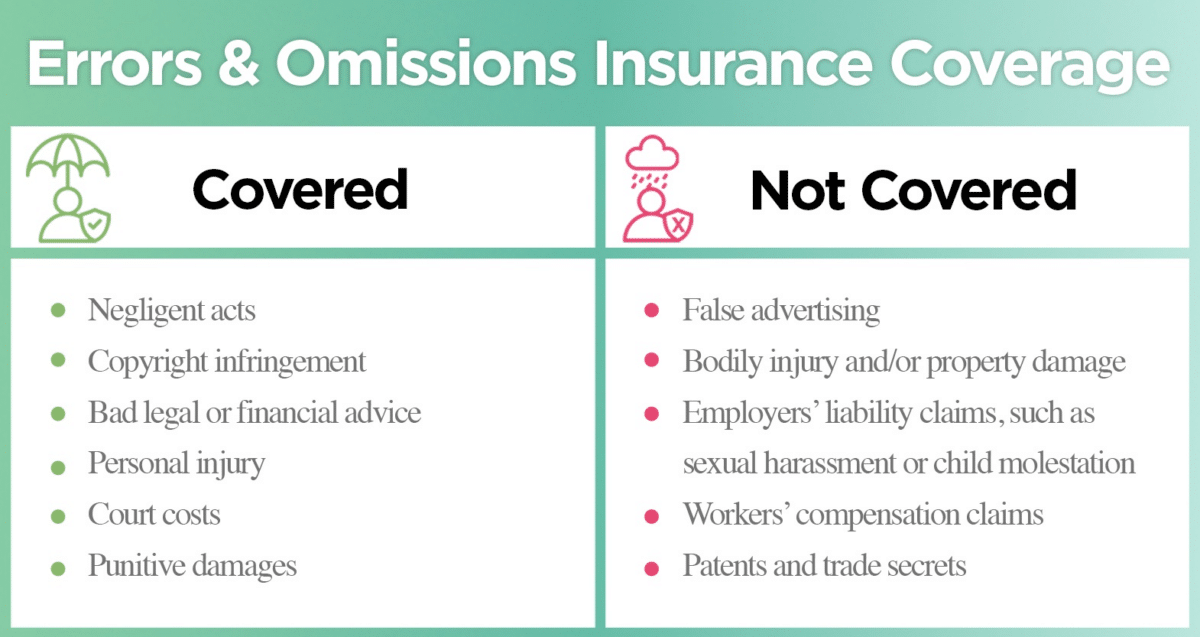
Most E&O policies cover claims related to negligence, errors, and omissions in the services you provide. This includes defense costs and settlements. BUT it’s important to note that intentional wrongdoing or fraudulent acts are typically not covered.
Pro Tip: Always read the fine print to ensure that your policy covers the specific services you offer. This can prevent nasty surprises down the road.
Comparing Policy Options in Washington State
You have multiple E&O policy options to choose from, each tailored to different professional needs. Let’s break them down.
| Policy Option | Coverage Details | Premium Range | Recommended For |
|---|---|---|---|
| Basic Plan | Covers negligence and basic errors; limited defense costs. | $500 – $1,000/year | Small Business Owners, Freelancers |
| Standard Plan | Includes negligence, errors, and most omissions; moderate defense costs. | $1,000 – $2,500/year | Consultants, IT Professionals |
| Comprehensive Plan | Extensive coverage including higher defense costs and settlements. | $2,500 – $5,000/year | Lawyers, Real Estate Agents |
Choosing the right policy depends on the nature of your work and the risks associated with it. A higher premium often means more comprehensive coverage, but it’s vital to weigh this against your actual risk exposure.
Factors Influencing Insurance Premiums
Did you know that your location, industry, and claims history can send your insurance premiums skyrocketing? If you’ve ever wondered why you’re paying more than you thought you would for your errors and omissions insurance, you’re not alone.
Here’s the deal: insurance companies calculate premiums based on risk. The higher the perceived risk, the higher the premium. Let’s break down the key factors that can hit your wallet.
Understanding Key Cost Drivers
Let’s talk about where you work. If you’re in Washington State, certain areas might be more prone to legal claims, impacting your premium. Similarly, the industry you’re in plays a massive role. High-risk industries like real estate or finance often see higher premiums due to potential liability.
And don’t forget your claims history. A track record of frequent claims makes insurers see you as a risky client. If you’ve been claim-free, it’s like having a clean driving record—insurers love it.
Strategies to Lower Your Premiums
Want to save some bucks on your premiums? Here are actionable tips:
- Maintain a clean claims history. Avoid unnecessary claims to show insurers you’re low risk.
- Consider increasing your deductible. A higher deductible can significantly reduce premium costs.
- Bundle your insurance policies. Many insurers offer discounts if you bundle multiple policies.
- Shop around. Compare different insurance providers to find the best deal for your needs.
Pro Tip: Regularly review and update your policy to ensure you’re not overpaying for coverage you don’t need.
Steps to Acquire Errors and Omissions Insurance
Think getting Errors and Omissions Insurance is a hassle? Think again! This step-by-step guide will walk you through everything you need to know to secure your policy in Washington State.
Let’s dive into the nitty-gritty of obtaining this crucial insurance. You’ll need to understand the process, gather the right documents, and choose a provider that’s perfect for you.
Understand Your Needs
Before you even start filling out an application, take a moment to identify the specific risks your business faces. Are you in real estate, finance, or maybe tech? Each sector has unique challenges that your E&O insurance must cover.
Here’s the deal: The more tailored your policy is to your needs, the better protected you’ll be. This means you’ll need to assess potential liabilities and how much coverage is necessary.
Gather Required Documentation
Now onto the paperwork. You’ll need to provide a detailed account of your business operations. This includes your past claims history, annual revenue, and the number of employees.
Some insurers might ask for a list of your specific services and even your client contracts. This helps them understand the scope of your work and the associated risks.
Pro Tip: Keep a digital backup of all your documents to speed up the process.
Evaluate and Choose the Right Provider
Not all insurance providers are created equal. You’ll need to compare multiple options to find the best fit for your needs.
Look at factors like customer reviews, financial stability, and the types of coverage they offer. Reach out to other professionals in your industry for recommendations—they’re often the best source of insider info.
Remember, price isn’t everything. Sometimes paying a little more for a reputable provider can save you headaches down the line.
Claims Process and Policy Management
Filing a claim for your errors and omissions insurance might feel like navigating a labyrinth. But understanding the steps can make it a breeze.
Here’s the deal: the claims process starts with notifying your insurer as soon as you suspect there’s a potential claim. You’ll need to provide details about the event, including dates, documentation, and any communications relevant to the claim. This isn’t just a “check the box” task—how you report the claim can impact its success.
Filing a Claim: Step-by-Step
Step #1: Immediate Notification. Once you know there’s an issue, don’t sit on it. Promptly informing your insurer is crucial.
Step #2: Documentation. Gather all relevant documents that support your claim. This could include emails, contracts, and records of conversations. The more detailed, the better.
Step #3: Claim Submission. Use your insurer’s preferred method—usually online or via a specific form. Accuracy here is key.
Step #4: Follow-Up. After submission, keep track of your claim status and maintain communication with your insurer to ensure it’s progressing.
Pro Tip: “The devil is in the details. Precise documentation can be the difference between a denied and approved claim.”
Effective Policy Management
Managing your policy isn’t a “set it and forget it” situation. Regular reviews can prevent coverage gaps and ensure you’re not overpaying.
Policy management involves understanding your coverage limits, exclusions, and the renewal process. It’s not just about paying premiums; it’s about knowing what you’re protected against. Aim for an annual review of your policy with your agent to make necessary adjustments.
Consider this: When renewing or modifying an existing policy, assess changes in your business activities. If you’re expanding services or entering new markets, your coverage might need an upgrade.
Conclusion
:max_bytes(150000):strip_icc()/EO-Final-35aff6b5f50644aabd242e60da643e80.jpg "Understanding Errors and Omissions Insurance in Washington State - bad ...")
In the dynamic landscape of professional services in Washington State, having Errors and Omissions Insurance is akin to holding a shield against potential liabilities. As we’ve explored, this coverage not only guards against financial loss but also fortifies your professional credibility. Don’t leave your career to chance; take proactive steps today to ensure your practice is protected from the unexpected.
FAQ
What is Errors and Omissions Insurance?
Errors and Omissions Insurance, also known as E&O Insurance, is a type of professional liability insurance that protects businesses and individuals against claims of inadequate work or negligent actions.
Why is Errors and Omissions Insurance important for professionals in Washington State?
This insurance is crucial as it covers the costs associated with legal defense and settlements from claims of negligence or mistakes in professional services.
What industries typically require Errors and Omissions Insurance?
Industries such as real estate, consulting, financial services, and healthcare often require this insurance to safeguard against potential claims.
How can professionals in Washington State reduce their E&O Insurance premiums?
To lower premiums, professionals can maintain a clean claims history, choose higher deductibles, and implement risk management strategies.
What should I consider when choosing an Errors and Omissions Insurance provider in Washington State?
Consider the provider’s reputation, coverage options, premium rates, and customer service when selecting an E&O Insurance provider.
